
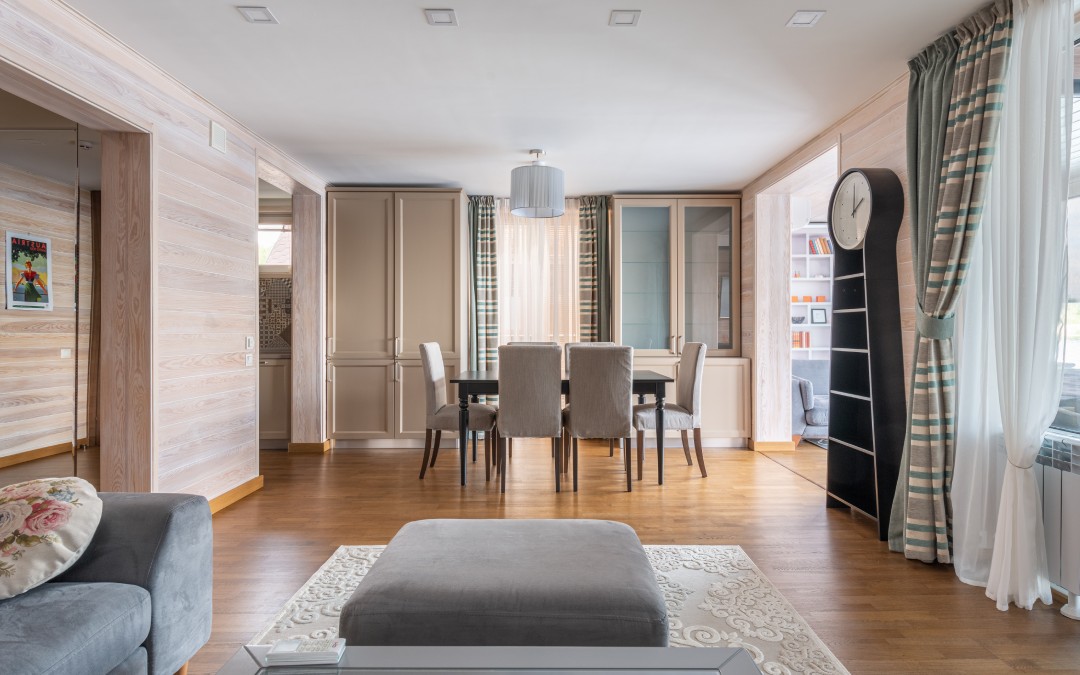
A comfortable home is a space where daily life feels easier, calmer, and more enjoyable. Whether returning from a long workday or spending time with family on weekends, the environment inside a home plays a major role in overall well-being. Creating a comfortable home does not necessarily require expensive renovations or a complete redesign. Often, small adjustments in layout, lighting, texture, and organization will significantly improve how a space feels. Comfort is also deeply connected to functionality. When furniture placement allows natural movement, lighting supports different activities, and rooms feel welcoming rather than cluttered, everyday routines become smoother.
Start with Layout and Flow for a Comfortable Home
One of the most important elements of a comfortable home is the way rooms are arranged. A good layout allows people to move easily between spaces without obstacles or cramped areas. Furniture should support conversation, relaxation, and daily tasks rather than block pathways or overwhelm the room. Consider the natural flow of the home. Living rooms often feel more inviting when seating faces inward, creating a social and relaxing atmosphere. Bedrooms benefit from simplicity and open space around the bed, helping the room feel calm and restful. Even small changes, such as repositioning a sofa or removing unnecessary furniture, can dramatically improve comfort.
Lighting That Supports a Comfortable Home Atmosphere
Lighting has a powerful effect on how a home feels. Harsh or overly bright lighting could make rooms feel cold, while layered lighting helps create a warm and comfortable home environment. Natural light should be maximized whenever possible. Keeping windows unobstructed and choosing light curtains allows sunlight to brighten the space throughout the day. In the evening, combining ceiling lights with floor lamps and table lamps creates softer, more balanced illumination. Warm-toned bulbs are particularly effective at making rooms feel cozy and welcoming.
Textures and Materials That Add Warmth
Physical comfort is just as important as visual comfort. Soft textures and inviting materials help transform ordinary rooms into spaces people genuinely enjoy spending time in. Adding layered textiles such as throw blankets, cushions, and rugs introduces warmth and depth. Natural materials like wood, cotton, wool, and linen often feel more relaxed and timeless than synthetic alternatives. These subtle additions contribute to the overall experience of a comfortable home without requiring major design changes.
Organization Helps Maintain a Comfortable Home
Clutter is one of the fastest ways to disrupt the sense of calm in a home. Even beautifully decorated spaces can feel stressful when surfaces are overcrowded or storage is insufficient. A comfortable home benefits greatly from thoughtful organization. Effective storage solutions help keep everyday items accessible but out of sight. Shelving, baskets, cabinets, and multipurpose furniture will reduce visual clutter while maintaining practicality. When each item has a designated place, rooms feel more open, balanced, and relaxing.
Personal Touches Make the Space Truly Comfortable
A comfortable home should reflect the personality and lifestyle of the people living in it. Personal touches help transform a house from a generic space into a meaningful environment. Artwork, family photos, favorite books, and travel souvenirs all contribute to a sense of belonging. Plants also add life and freshness, improving both aesthetics and air quality. These elements create emotional comfort, making the home feel authentic and welcoming.
In the end, creating a comfortable home is about balance. When functionality, warmth, and personal expression work together, the result is a living space that supports everyday life while offering a peaceful retreat from the outside world.
Badger Property Inspection provides home inspections for Southeastern Wisconsin. Contact us today to schedule your services.